Marine stinger season runs roughly from November to May across tropical north Queensland, including the Whitsundays, and it means taking a few sensible precautions before you swim, not staying out of the water altogether. Most Hamilton Island beaches and pools remain perfectly enjoyable through this period if you know where to swim and how to protect yourself. Here's what a local would tell you.
What Is Marine Stinger Season?
Stinger season is the stretch of warmer months when dangerous jellyfish species move into shallow coastal waters along tropical Australia. It's not a myth or an overcautious tourism warning, it's a genuine seasonal pattern that locals plan around every year, much like monsoon season or cyclone season.
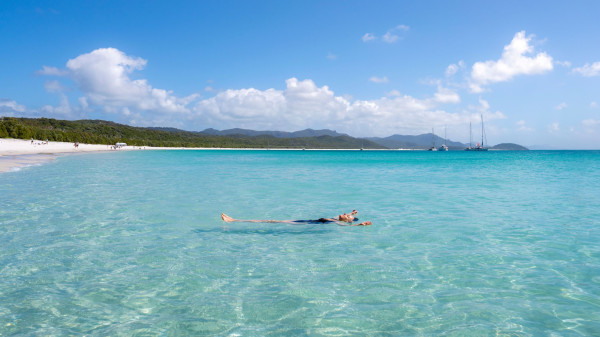
Which jellyfish and marine stingers are involved
The main species of concern are box jellyfish and Irukandji jellyfish. Both are found in the warm coastal and estuarine waters of northern Australia and are capable of delivering a serious, sometimes life-threatening sting. Bluebottles (Portuguese man o' war) can also appear, though they're a different, generally less dangerous creature found further south.
Why stinger season happens
Warmer water temperatures trigger jellyfish breeding cycles and push them closer to shore, particularly near river mouths and sheltered bays where they feed. As sea temperatures rise through late spring, numbers build along the coast and stay elevated until the water cools again in autumn. Currents, rainfall and local conditions all influence exactly where and when stingers turn up in any given year.
When Does Stinger Season Occur?
The commonly cited window is November to May, though it can start earlier or run later depending on the year and water temperatures.
Typical seasonal dates for Hamilton Island and the Whitsundays
In the Whitsundays, including Hamilton Island, the higher-risk months generally sit between November and May, aligning with the warmer wet season. Outside these months, risk drops significantly, though it's never guaranteed to be zero. If you're planning a trip and want a sense of what the weather and water will be doing month to month, our Hamilton Island weather guide is a useful companion to this one.
Regional variations
Stinger risk isn't uniform across Australia. Tropical Queensland, the Northern Territory's Top End, and parts of northern Western Australia all experience a stinger season, while southern and temperate waters generally don't see box jellyfish or Irukandji at all. Local authorities in each region set their own warnings and swim advice based on actual sightings and conditions.
How climate and weather can shift the timing
Water temperature, rainfall, and ocean currents vary year to year, so the season's start and end dates can shift earlier or later than the typical range. This is exactly why checking current, local signage and beach safety information before you swim matters more than relying on a fixed calendar date.
Which Areas Are Most at Risk?
Risk is highest in warm, shallow, sheltered waters, particularly near estuaries and river mouths, and lower around open-water island beaches.
Tropical north Queensland beaches
Beaches along the north Queensland coast, including those near river systems and mangrove-lined shorelines, tend to carry higher stinger risk during the season. Island locations like Hamilton Island, surrounded by open water rather than river mouths, generally see lower numbers than mainland estuarine beaches, but caution signage should always be respected.
Top End and northern Australian waters
The Northern Territory and northern WA coastlines also experience a defined stinger season, with similar precautions recommended: swim within enclosures, wear protective clothing, and heed local warnings.
Lowering your risk on Hamilton Island
There are no stinger-resistant enclosures on Hamilton Island, so personal protection matters most here. Wearing a full-body stinger suit, checking signage before you swim and choosing calmer, well-used beaches will dramatically reduce your risk. If you’d rather avoid the open water altogether, a pool is the simplest stinger-free option. Our guide to the best swimming spots on Hamilton Island covers where to swim and what to expect at each beach. It is also recommended to check warnings at the Beach Sports Hut & speak with staff for more information.
Types of Dangerous Marine Stingers
Box jellyfish
Box jellyfish have a pale, box-shaped bell and long trailing tentacles armed with stinging cells. They're considered one of the most dangerous marine creatures in Australian waters and a sting can cause severe pain and, in serious cases, life-threatening reactions.
Irukandji jellyfish
Irukandji are tiny, sometimes barely visible, which makes them harder to spot and avoid than box jellyfish. A sting may initially feel mild, but Irukandji syndrome can develop over 20 to 30 minutes and cause severe symptoms that require urgent medical treatment.
Other stingers
Bluebottles and various other jellyfish species can also sting swimmers. These are typically far less dangerous than box jellyfish or Irukandji, causing pain and welts rather than life-threatening reactions, but they're still worth avoiding and treating properly if you're stung.
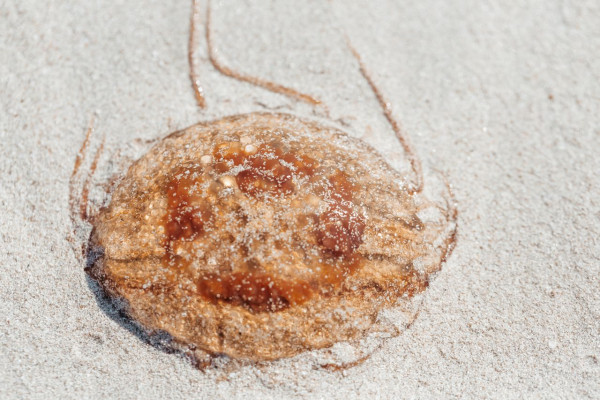
Signs and Symptoms of a Marine Stinger Sting
Mild reactions vs severe or Irukandji syndrome
A mild sting typically causes immediate pain, redness and welting at the contact site. Severe reactions, including Irukandji syndrome, can bring on symptoms such as:
-
Severe lower back pain
-
Headache, nausea or vomiting
-
Muscle cramps
-
Difficulty breathing
-
Sweating and anxiety
-
Rising or irregular heart rate
These more serious symptoms can take time to appear after an Irukandji sting, which is part of what makes them so dangerous. Anyone showing these signs needs urgent medical attention, even if the initial sting felt minor.
When to seek emergency medical help
Call emergency services immediately if a sting covers a large area of skin, if the person stung is a child, elderly, or has a known heart condition, or if any severe symptoms listed above develop. Don't wait to see if things improve on their own.
How to Stay Safe During Stinger Season
Swim between the flags and choose where you swim carefully
Hamilton Island doesn’t have netted stinger enclosures, so where and how you swim makes the difference. Stick to popular, well-used beaches rather than isolated spots, avoid swimming alone, and stay out of the water after heavy rain, when stingers are more likely to be close to shore. On the mainland, many beaches offer seasonal stinger nets, so it’s worth checking what’s available if you’re travelling further afield. It is also recommended to check warnings at the Beach Sports Hut & speak with staff for more information.
Wear protective clothing
A full-body stinger suit or wetsuit is the single most effective personal protection against stings, covering skin that a swimsuit leaves exposed. Many tour operators in the region provide or require these during stinger season for reef trips and water activities.
Check local warnings, signage and beach safety information
Always check current beach signage and warnings at the Beach Sports, local safety advice, and speak with staff before entering the water, especially after rain or in less-visited spots. Conditions can change quickly, so what was fine last week isn't a guarantee for today.
Tips for snorkelling, diving and boating in stinger season
If you're heading out to the reef or taking a dinghy out for a spot of fishing, wear a stinger suit for any extended time in the water, follow your tour operator's briefing closely, and avoid swimming alone in open water during the season. Operators running diving and snorkelling trips around the Whitsundays are well versed in stinger season precautions and will have suits and advice on hand.
First Aid for Marine Stings
Immediate steps
-
Get the person out of the water and call for help.
-
Generously douse the sting with vinegar if available, this stops any undischarged stinging cells from firing further.
-
Keep the person as still as possible to limit venom spreading.
-
Call 000 if there are any signs of a severe reaction.
What NOT to do
-
Don't rub the sting or rub sand on it.
-
Don't rinse with fresh water, this can trigger more stinging cells to fire.
-
Don't apply ice directly or attempt to remove tentacles with bare hands, use a gloved hand or implement if you must clear visible tentacles.
Calling emergency services and follow-up care
Call 000 immediately for severe symptoms, a sting covering a large area, or a sting on a child, older person, or anyone with an existing health condition. Even for milder stings, it's worth seeking medical review if pain persists or a rash develops, and Hamilton Island's on-island clinic can help, our Hamilton Island medical services guide has the details on doctors and pharmacy access if you need them during your stay.

Can You Still Enjoy the Beach During Stinger Season?
Yes, absolutely. Stinger season changes how you swim, not whether you can.
Swimming smart on the island
With no stinger enclosures on Hamilton Island, a stinger suit is your best friend in the water. Pair it with a quick check of local signage, and you can still enjoy the island’s beaches through the warmer months.
Alternative activities and pools
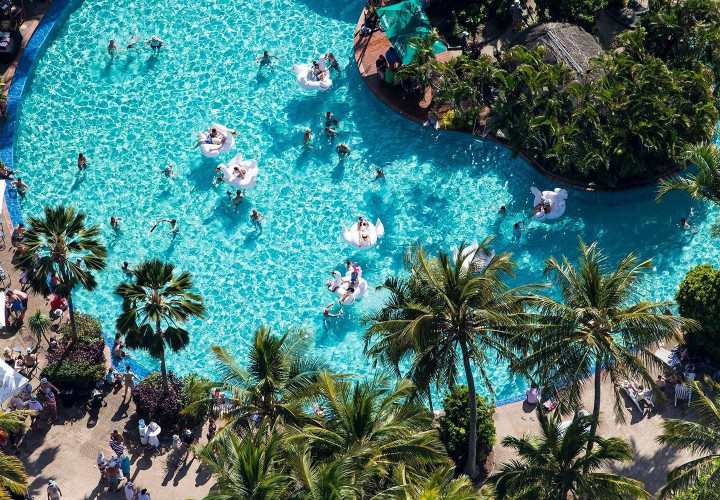
If you'd rather sidestep open-water risk altogether, there's plenty to fill your days. A private apartment with its own pool is an easy way to let the kids cool off without a second thought, and Hamilton Island offers no shortage of other ways to spend a stinger-season day, from exploring the island's walking tracks to go-karting at Palm Valley or simply relaxing with a meal at one of the island's best restaurants. For families wanting a base with their own private pool and space to unwind between reef trips, our Shorelines apartments are a popular choice during the warmer months.
Stinger season is simply part of the rhythm of a tropical island holiday. Pack a stinger suit, check the signage before you swim, know your first aid, and you’ll have just as good a holiday as any other time of year.
Frequently Asked Questions
What is the chance of surviving a box jellyfish sting?
Most box jellyfish stings are painful but survivable, especially with prompt first aid (vinegar and calling for help) and medical treatment. Severe or large-area stings can be life-threatening, which is why immediate first aid and calling 000 for serious reactions is so important.
Is it safe to swim in the Whitsundays?
Yes, with precautions. During stinger season (roughly November to May), wear a full-body stinger suit, check local signage before entering the water, and avoid swimming alone or after heavy rain. Outside these months, swimming in the Whitsundays carries much lower risk.
What are the differences between box jellyfish and Irukandji?
Box jellyfish are larger, with a visible box-shaped bell and trailing tentacles, and their sting causes immediate, severe pain. Irukandji are tiny and hard to see, and their sting can feel mild at first before serious Irukandji syndrome symptoms develop 20 to 30 minutes later.
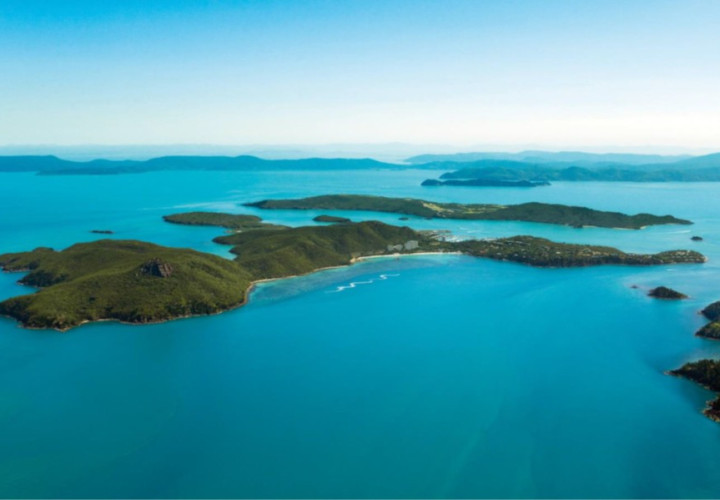
Marine stinger season runs roughly from November to May across tropical north Queensland, including the Whitsundays, and it means taking a few sensible precautions before you swim, not staying out of the water altogether.
If you've ever wondered what the Whitsundays look like strung with fairy lights and finished with fireworks over the water, Hamilton Island at Christmas and New Year is the answer.

Best Places to Visit in Australia in February February is one of the smartest months to travel in Australia.